About
About the Centre
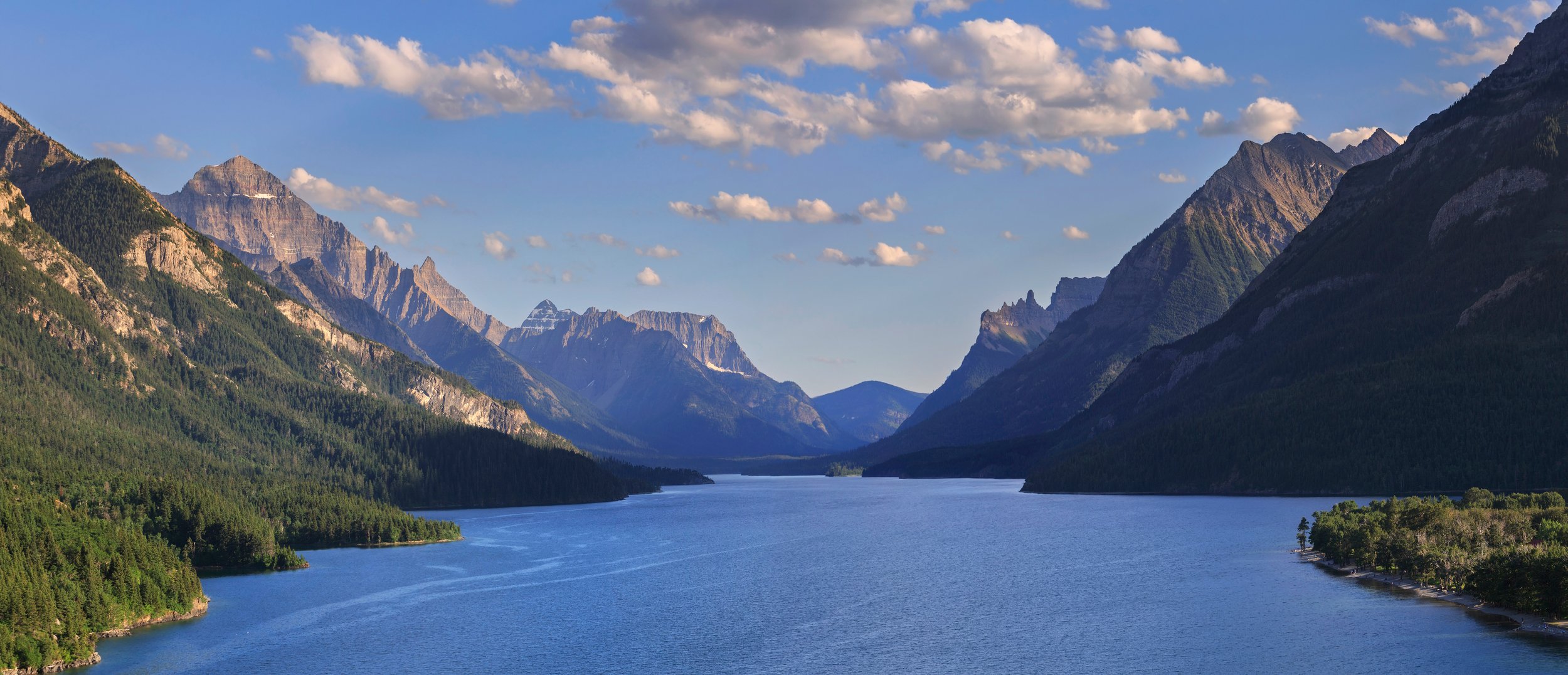
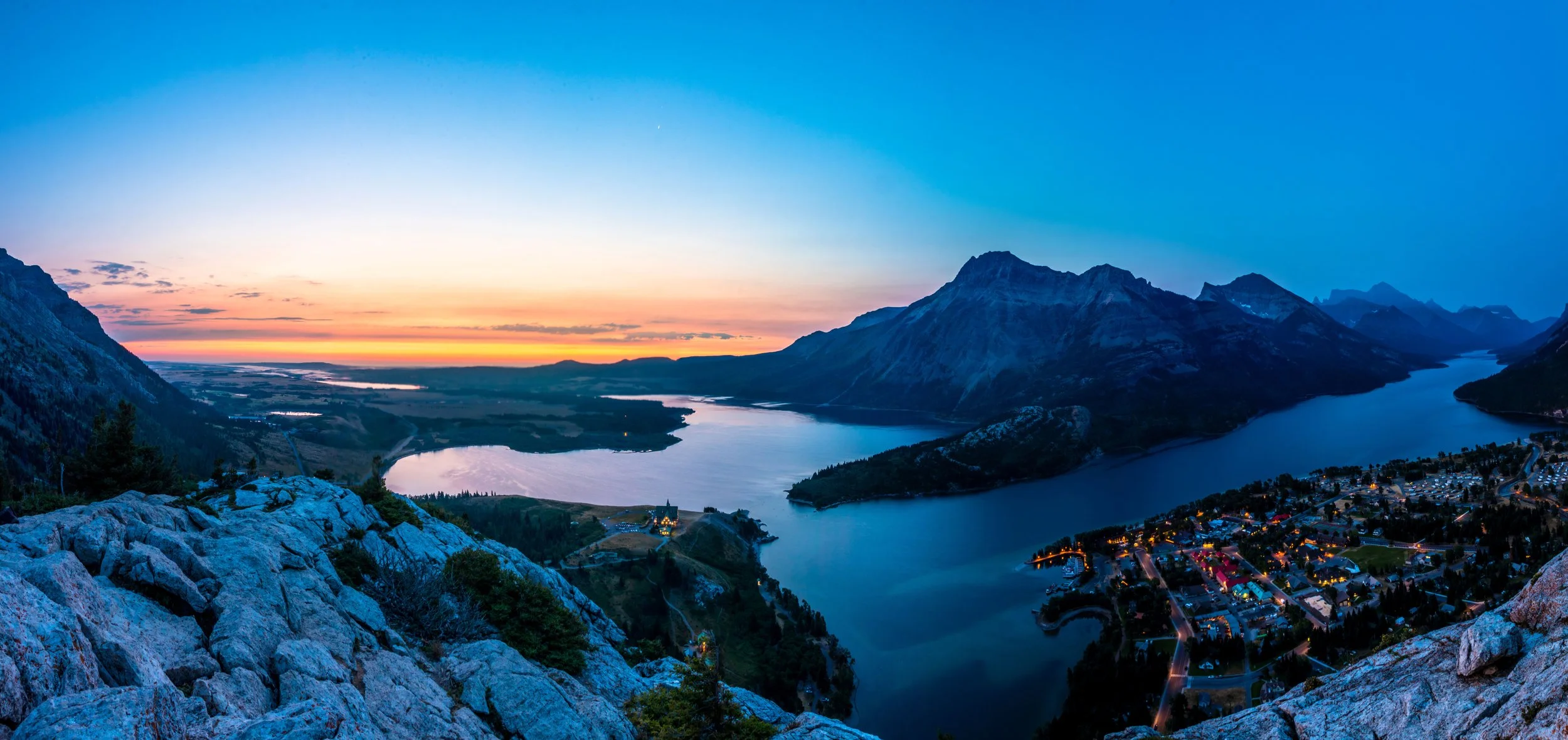
Paahtómahksikimi Cultural Centre is operated by the Blood Tribe, a member of the Blackfoot Confederacy, in the heart of Waterton Lakes National Park. We share Blackfoot culture, history, and language in the place where it has always lived.
A Place of Gathering
Traditionally, Paahtómahksikimi was a place for gathering, peacemaking, and treaty-making between the Blackfoot Confederacy and other First Nations. It was one of many gathering places where the Blackfoot met and traded. Alliances were built here, and goods moved across great distances. The Blackfoot traded buffalo robes and guns to the Shuswap and Okanagan for red clay ochre paint, salmon, and dentalium shells.
Naming the Land
Long before explorers, surveyors, and park founders named the mountains, rivers, and valleys of Waterton, the Blackfoot had named the places that matter to them. Mountains are alive, and the Blackfoot name them as they name people: Nii’tsitsspitaa, “The Only Tall Person” (Mount Cleveland), and Sáíkímao’pii, “The Person Who Sits Across the Valley” (Mount Crandell). Our way of life is enriched by the knowledge and experience that come from being in these places.
Blood Indian Reserve No. 148a
In accordance with the Blackfoot Treaty of 1877 (Treaty 7), a timber reserve was set aside for the use and benefit of the Blood Tribe/Kainai and designated Reserve No. 148A in 1889. Commonly called the “Timber Limit,” it lies along the Belly River about 64 km (40 miles) southwest of the main Kainai Reserve No. 148. It covers 1,940 hectares (4,795 acres), is managed by the Blood Tribe/Kainai, and remains an important area for traditional ceremonies, harvesting, and maintaining a connection to the land.